Excellence
A comprehensive history of the Coorg Institute of Dental Sciences — from a founding vision in the Western Ghats to a nationally ranked centre of dental education.
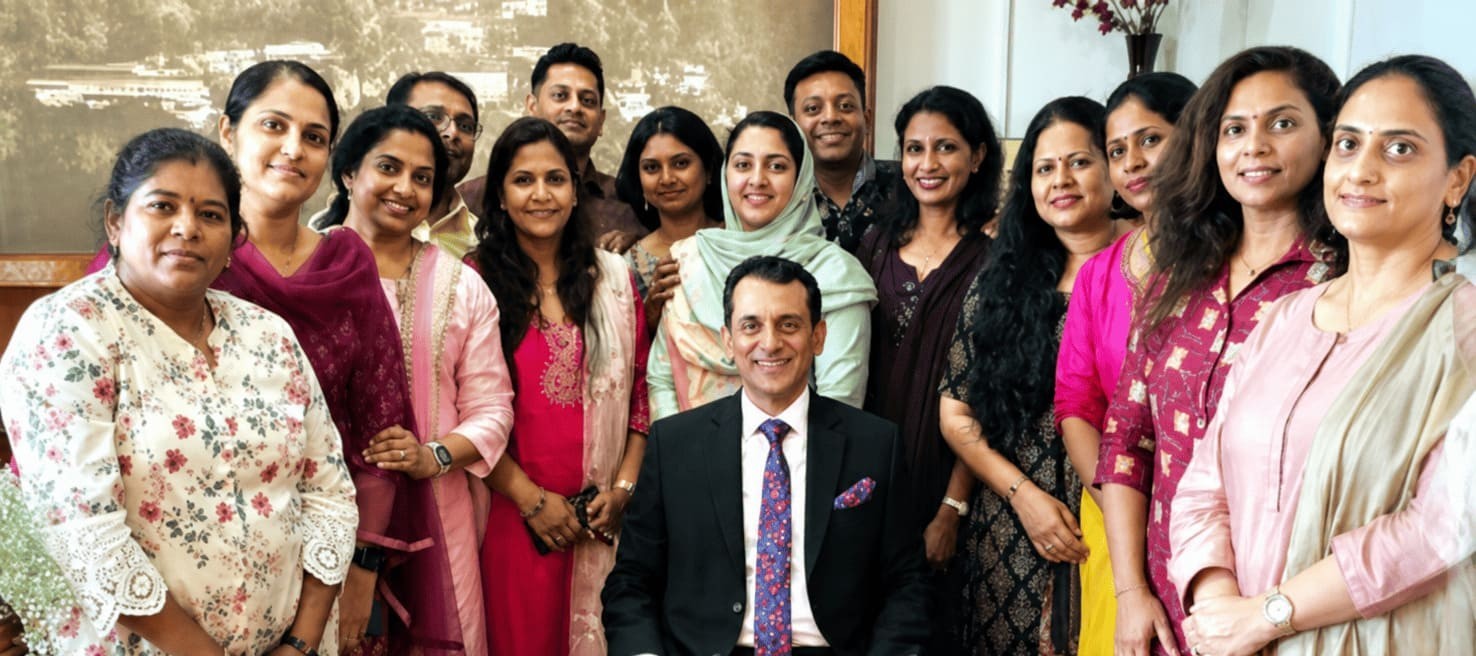
1996 – 1999
Three Eras of Leadership
BDS · MDS · Nine Specialties
Institutional Genesis & Founding Vision
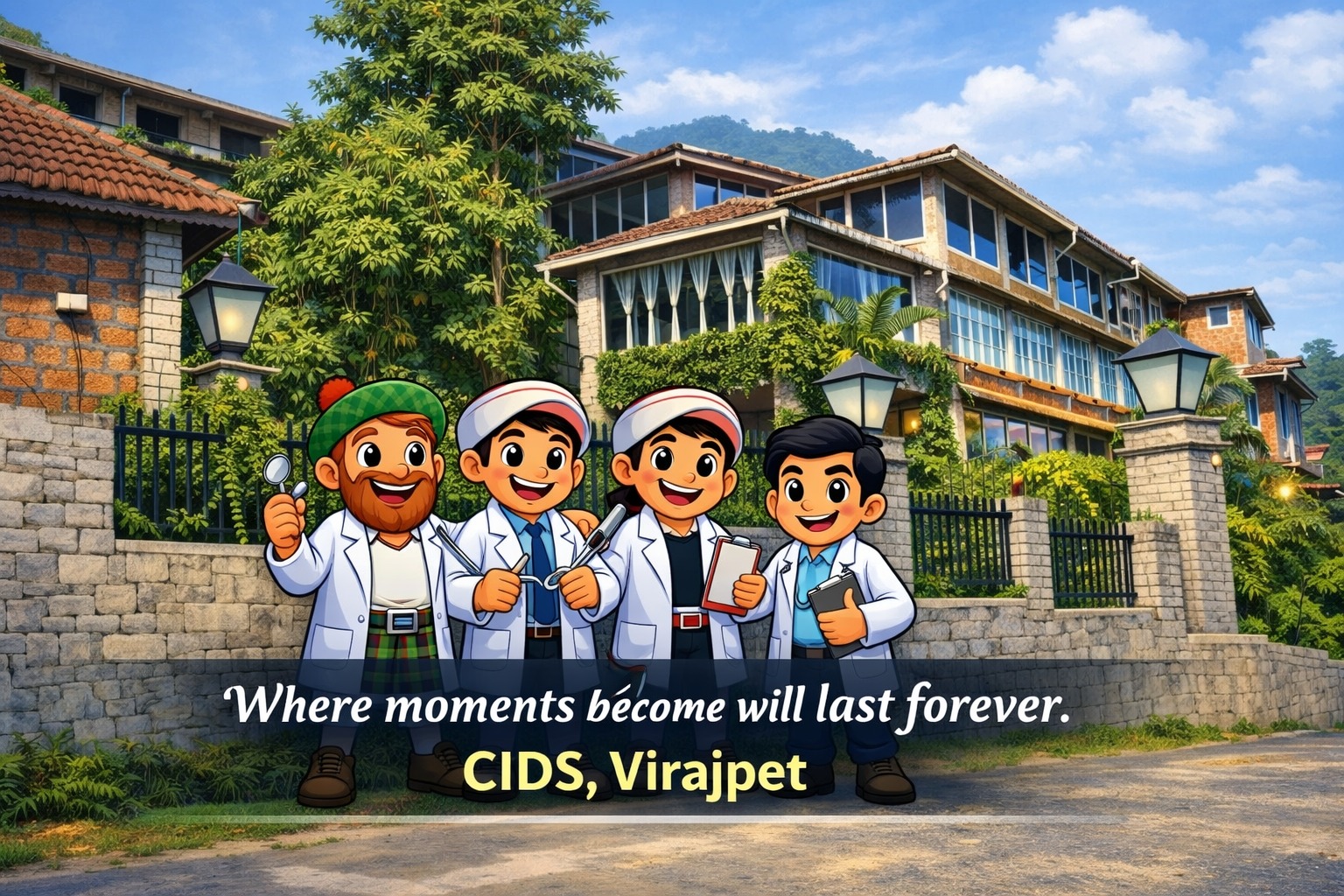
The Coorg Institute of Dental Sciences was established in September 1999, emerging from a profound socio-educational imperative to serve the Kodagu (Coorg) district of Karnataka. Historically, this rural highland region lacked localized professional training facilities — a deficit that forced the district's most promising students to migrate to distant urban centres.
The institution's genesis was rooted in the partnership between Mr. K.K. Aiyappa and his son, Dr. Sunil Muddaiah — a practising orthodontist — who envisioned an educational model that harmonized clinical excellence with regional community development.
"A Gurukul philosophy, deliberately situated within the Western Ghats — providing a quiet, nature-centric environment for professional growth while preventing the loss of local talent to overpopulated urban hubs."
— The Founding Vision, CIDS 1999Collaborating with the Kanjithanda Kushalappa Foundation, the founders established a physical base on the Kanjithanda Kushalappa Campus in Maggula Village, near Virajpet. Today, the institution is managed by the Coorg Dental and Medical Sciences Trust — a professional body of doctors dedicated to maintaining these foundational standards of academic brilliance.
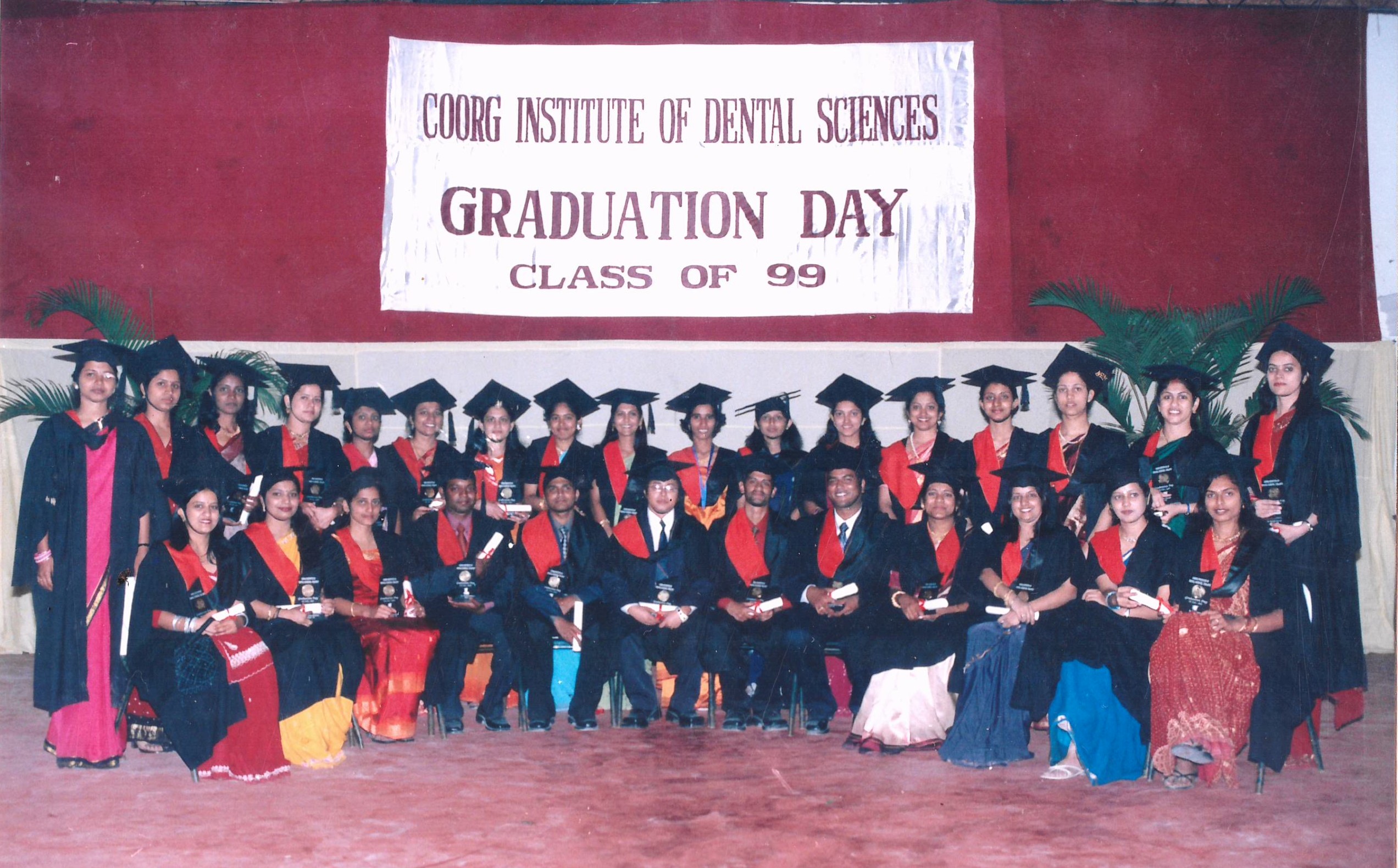
Administrative Stewardship & Leadership Trajectory

CIDS distinguishes itself through a "Direct Involvement" administrative model. Shunning traditional bureaucratic distance, the Managing Trustee is personally engaged in the granular details of daily operations — from campus construction and physical maintenance to landscaping and the rigorous hygiene standards of food served to faculty and students.
Trustees maintain a personal weekly presence, interacting directly with the student body to ensure welfare and infrastructural efficacy. This model of stewardship has been the defining constant across all three eras of institutional leadership.
"Believe that No student is the Best and None is the weakest. So also, no teacher is perfect and None is absolutely imperfect. The institution must create a value-based system."
— Dr. Sunil Muddaiah, Dean & Managing TrusteeThe Inaugural Phase
- Dr. Nagaraj Rao — First Principal
- Dr. Sunil Muddaiah — Managing Trustee
Academic Expansion
- Dr. Sunil Muddaiah
- Dr. Manoj Kumar
- Dr. Peter Sequeira
- Dr. K.V. Sosa
- Dr. Narsi Reddy
The Consolidation Era
- Dr. Sunil Muddaiah — Dean
- Dr. Ponnappa K.C. — Principal
- Dr. Jithesh Jain — Vice-Principal
- Dr. Shashidara R — Assoc. Dean, Research
- Dr. Shanthala B.M — Assoc. Dean, Intl. Relations
| Administration Era | Leadership | Primary Institutional Developments |
|---|---|---|
| Inaugural Phase (1999 – 2005) |
Dr. Nagaraj Rao (First Principal) Dr. Sunil Muddaiah |
Early licensing and DCI/MOH regulatory approvals; development of the 30-acre campus; graduation of the first BDS batch (2004). |
| Academic Expansion (2006 – 2015) |
Dr. Sunil Muddaiah Dr. Manoj Kumar Dr. Peter Sequeira Dr. K.V. Sosa Dr. Narsi Reddy |
Launch of postgraduate MDS courses; recognition from the Ministry of Health; establishment of global academic exchanges and MoUs. |
| Consolidation Era (2016 – Present) |
Dr. Sunil Muddaiah (Dean) Dr. Ponnappa K.C. (Principal) Dr. Jithesh Jain (Vice-Principal) Dr. Shashidara R (Assoc. Dean, Research) Dr. Shanthala B.M (Assoc. Dean, Intl. Relations) |
Launch of the AAVISHKAAR lab; Nobel Biocare Implant Fellowship; NAAC "Grade A" accreditation; Top 15 national ranking. |
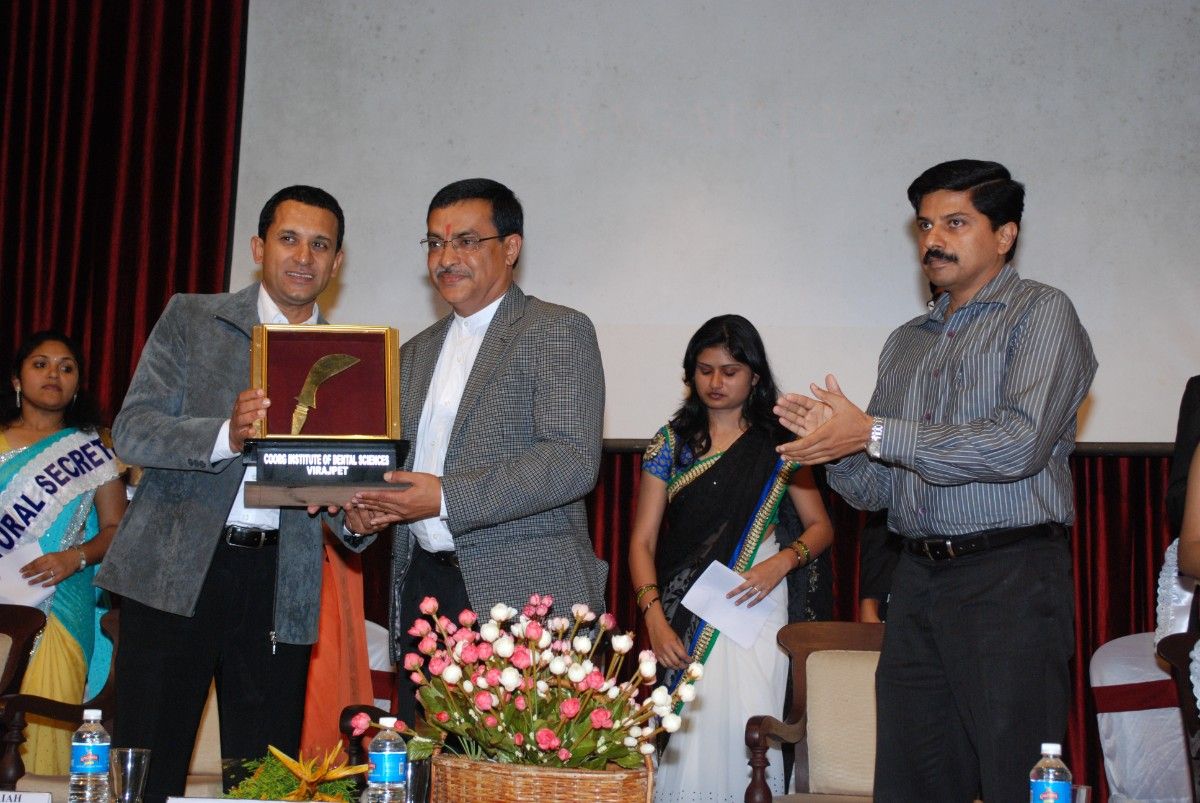
Academic Evolution: BDS & MDS Programs
The academic trajectory of CIDS reflects a deliberate transition from a dedicated undergraduate facility to a high-capacity postgraduate research hub, affiliated with the Rajiv Gandhi University of Health Sciences (RGUHS), Bangalore.
"The restricted intake strategy — just 40 seats annually — is not a limitation but a commitment. It is what permits personal attention to every student, every year."
The Bachelor of Dental Surgery (BDS) program utilizes this restricted intake strategy, maintaining a low student-to-teacher ratio essential for personalized clinical instruction. The success of this model was historically validated by the first graduating batch in 2004, which secured 10% of all distinctions in the state examinations. The program consistently maintains pass percentages of 92% to 98%.
The Master of Dental Surgery (MDS) program offers an intake capacity of 39 seats across nine dental specialties — covering the full breadth of modern clinical dentistry.
MDS Postgraduate Specialties — 9 Departments
"We leave nothing to chance… we leave nothing in doubt."
This cornerstone philosophy of the CIDS Teaching Model ensures that every student — regardless of background or initial aptitude — receives the personal attention, time, and tools to reach their potential. The result is reflected year after year in the institution's pass percentages, academic distinctions, and the careers of its alumni across the world.
From a vision born on the Maggula Hills in 1996 to a nationally ranked institution serving thousands of students, patients and communities — the Chronicles of Excellence are still being written.
"PASSION · INTEGRITY · INNOVATION · SKILL · DEDICATION · ETIQUETTE · TRANQUILITY OF MIND AND SOUL AT THE WORK PLACE"